AI Infra-con: My First Blockchain x AI Conference
How I Got Here
I had been looking for AI-related events to attend outside of class, and the first one I found was Claude Bloom Seoul. It sounded like exactly the kind of event I wanted — a conference centered around Claude and AI development. I applied, but the competition was brutal. 150 seats, around 2,000 applicants. Needless to say, I didn’t make it.

Not accepted for Claude Bloom.
I kept looking and found another event on Luma — AI Infra-con. The theme was AI and blockchain infrastructure. I applied without fully knowing what I was getting into, and somehow got accepted.
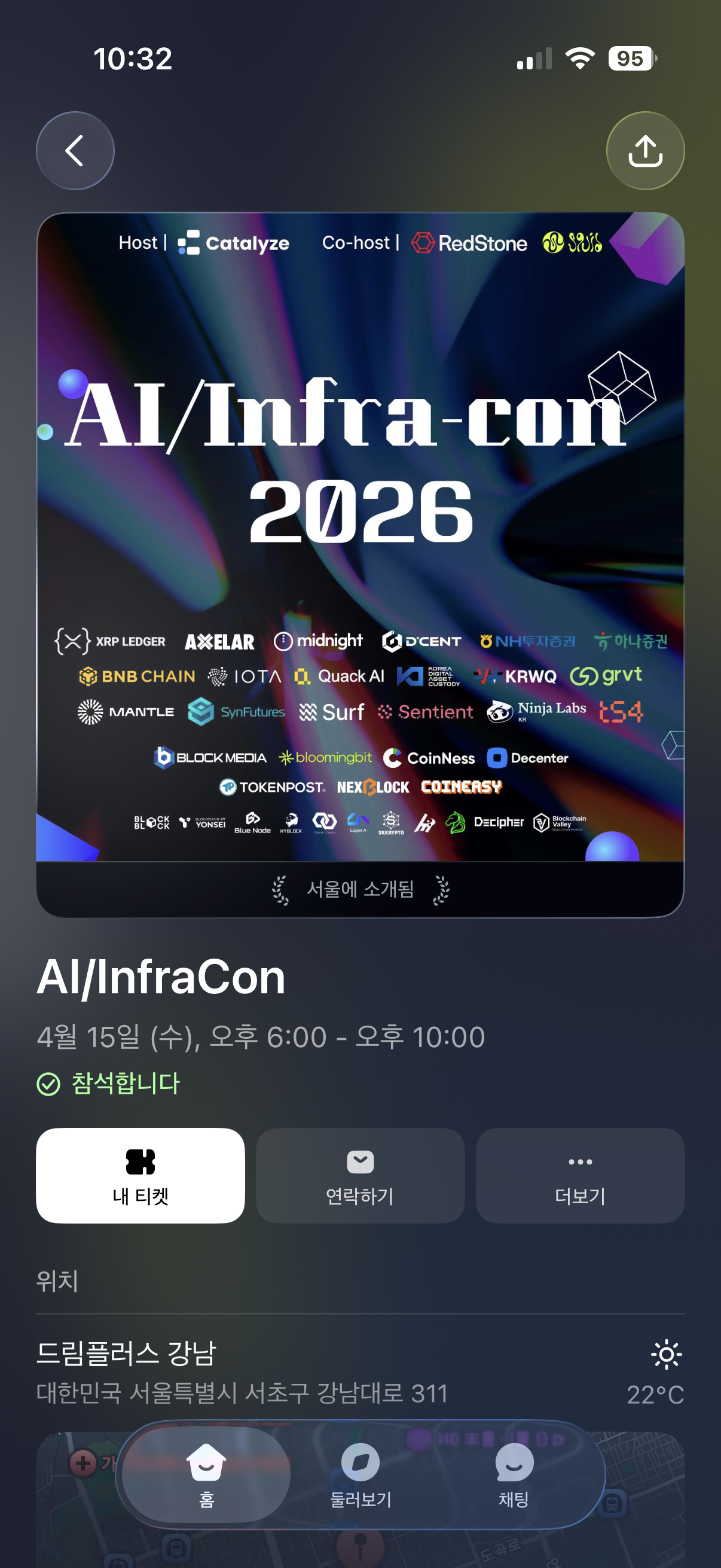
Accepted for AI Infra-con.
Getting Classmates On Board
I mentioned it to two classmates — Jiho and Hyunseok. Jiho passed, but Hyunseok was interested and applied. He got accepted too, so we decided to go together.
There was also an X (Twitter) event tied to the conference that we participated in.
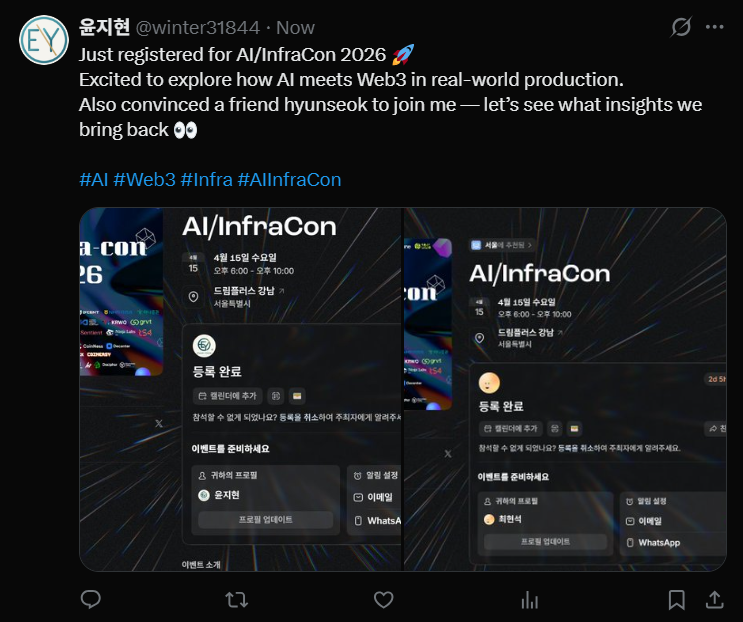
Participated in the X event for AI Infra-con.
Pre-Study: Blockchain From Scratch
Neither of us had much background in blockchain, so we sat down and studied before the conference.
The core topics we went through:
- Solidity — the language used to write smart contracts on Ethereum
- Perp DEX — decentralized perpetual futures exchanges, where you can trade leveraged positions on crypto prices without a centralized exchange
- RWA (Real World Assets) — tokenizing physical assets like real estate or bonds on a blockchain
- Stablecoins — crypto assets designed to hold a stable value, commonly used for payments and settlement
The rough mental model we built: AI is the brain — it judges, automates, and acts. Web3 is the rail — it handles value, ownership, and settlement. Together, they form a stack where AI agents can operate in financial environments without needing traditional intermediaries.
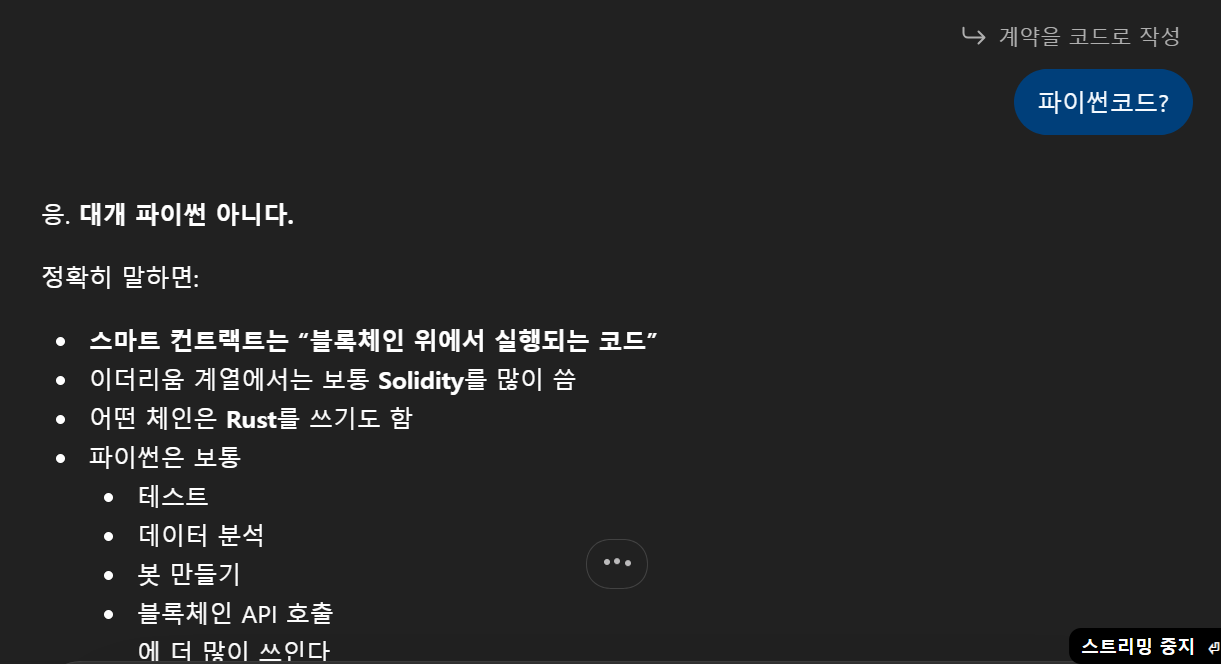
Pre-studying Solidity before the conference.
It was a lot to absorb in a short time, but having this foundation made the sessions a bit more followable.
The Day Of
We arrived early and entered using our QR codes.
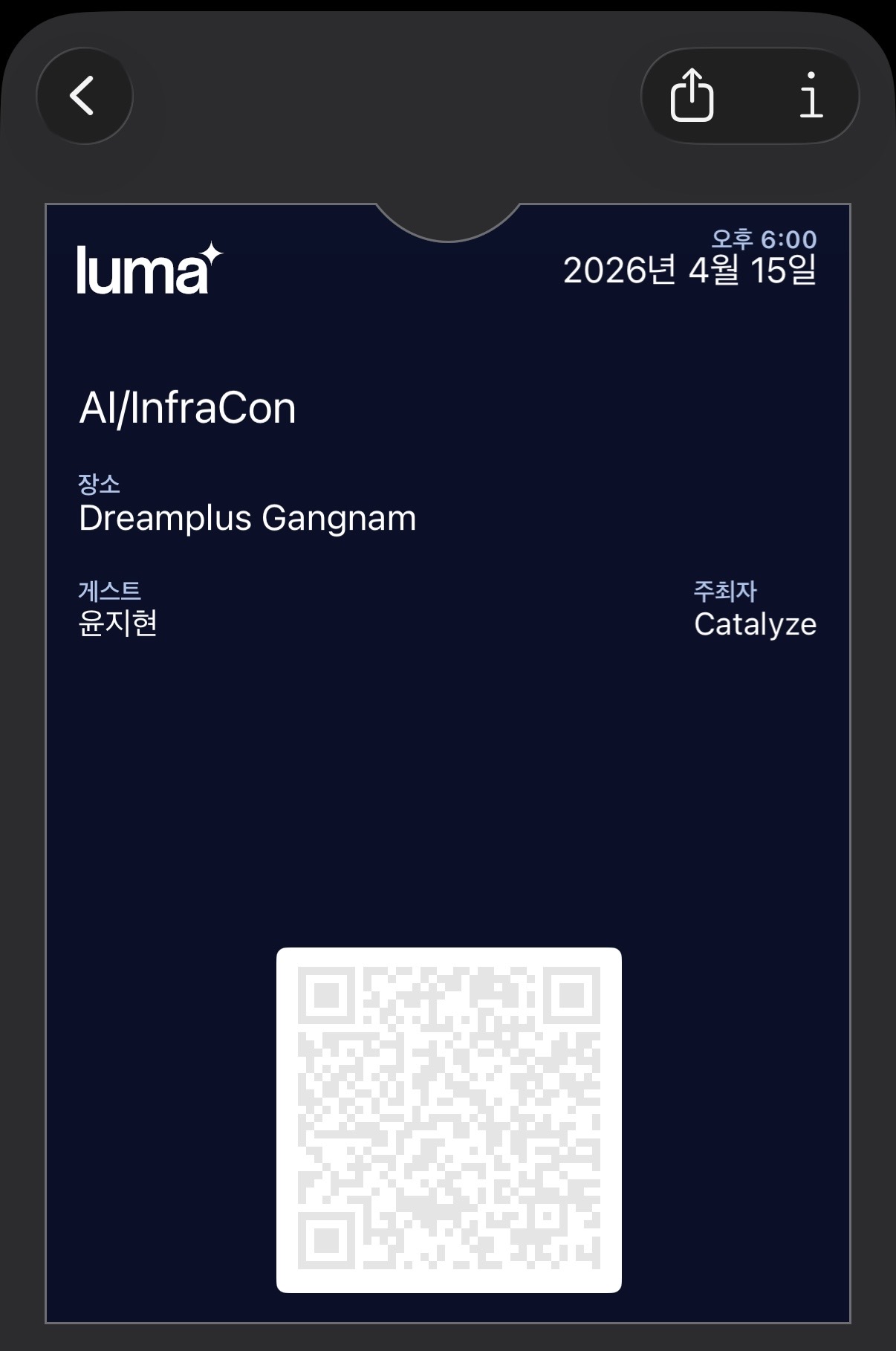
Our entry QR codes.
We managed to grab seats near the front, which I always prefer — less distraction, easier to focus.
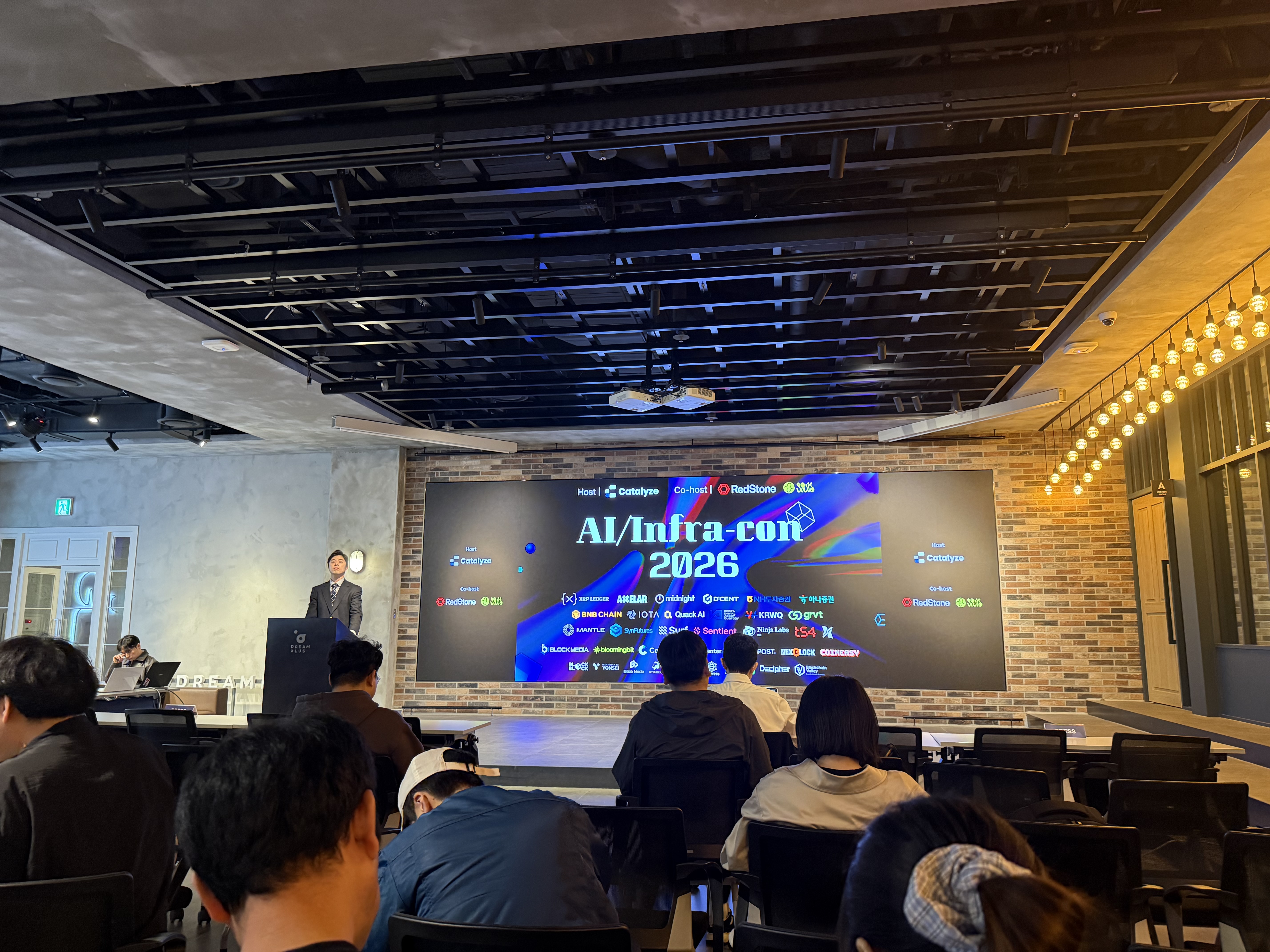
Front seats secured.
There was a quick photo moment with some other attendees.
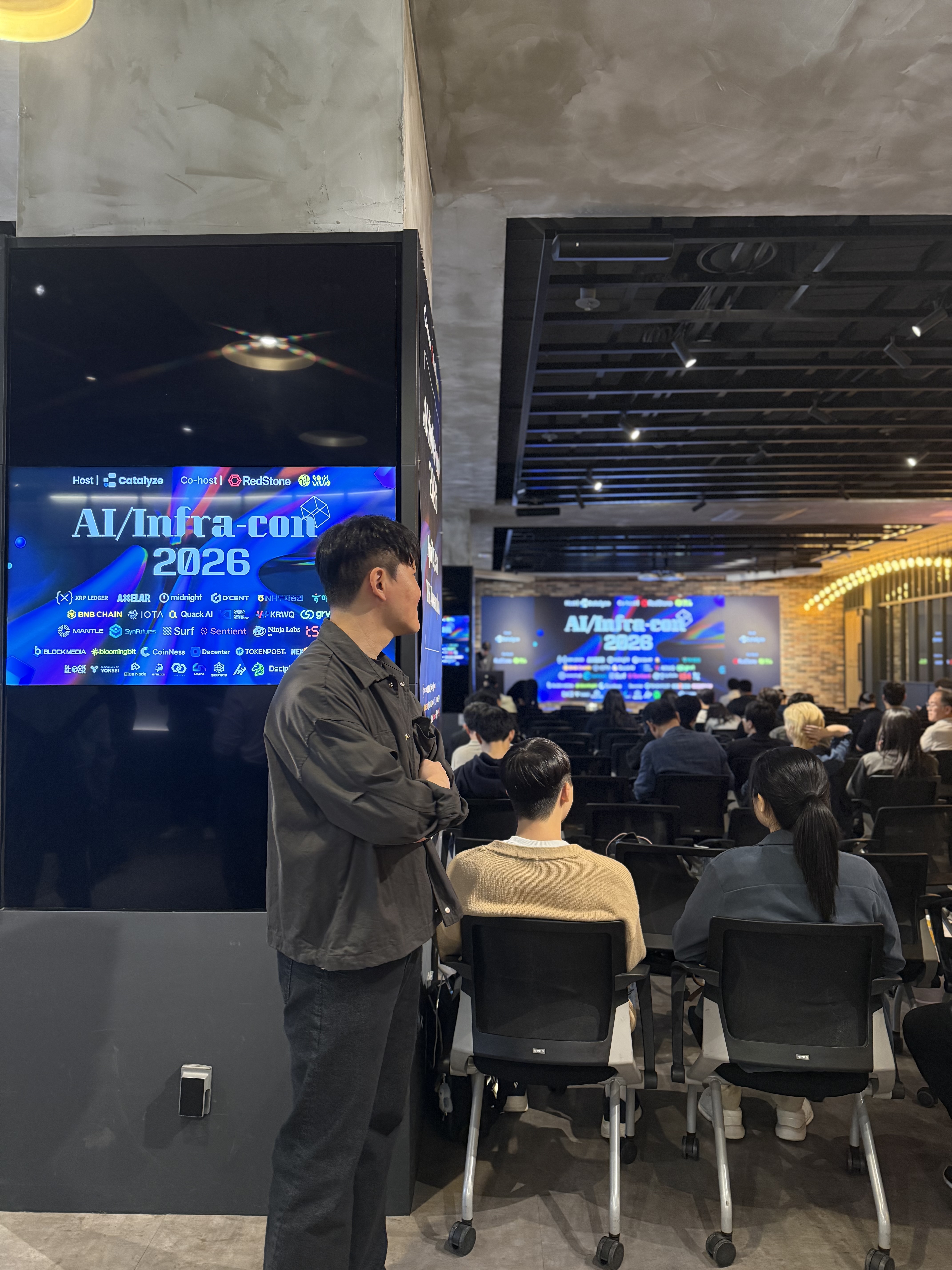
Photo with other attendees.
The conference also provided some food, which was a nice touch.
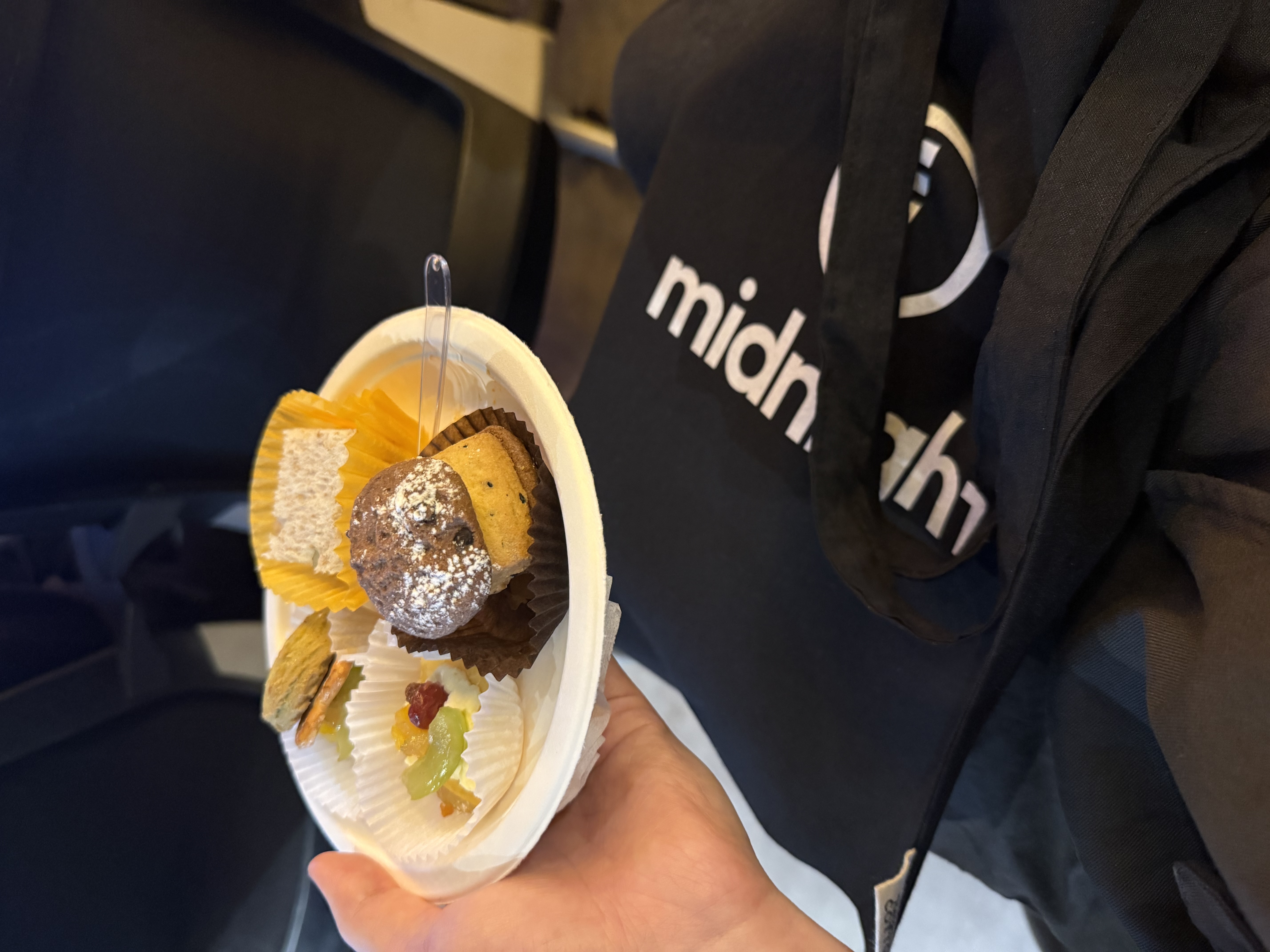
Simple food provided at the conference.
The Sessions
The first session set the context — AI and blockchain converging at the infrastructure layer. The framing wasn’t about hype; it was about what’s actually being built in production environments.
The second session went deeper into specific technical and product territory.
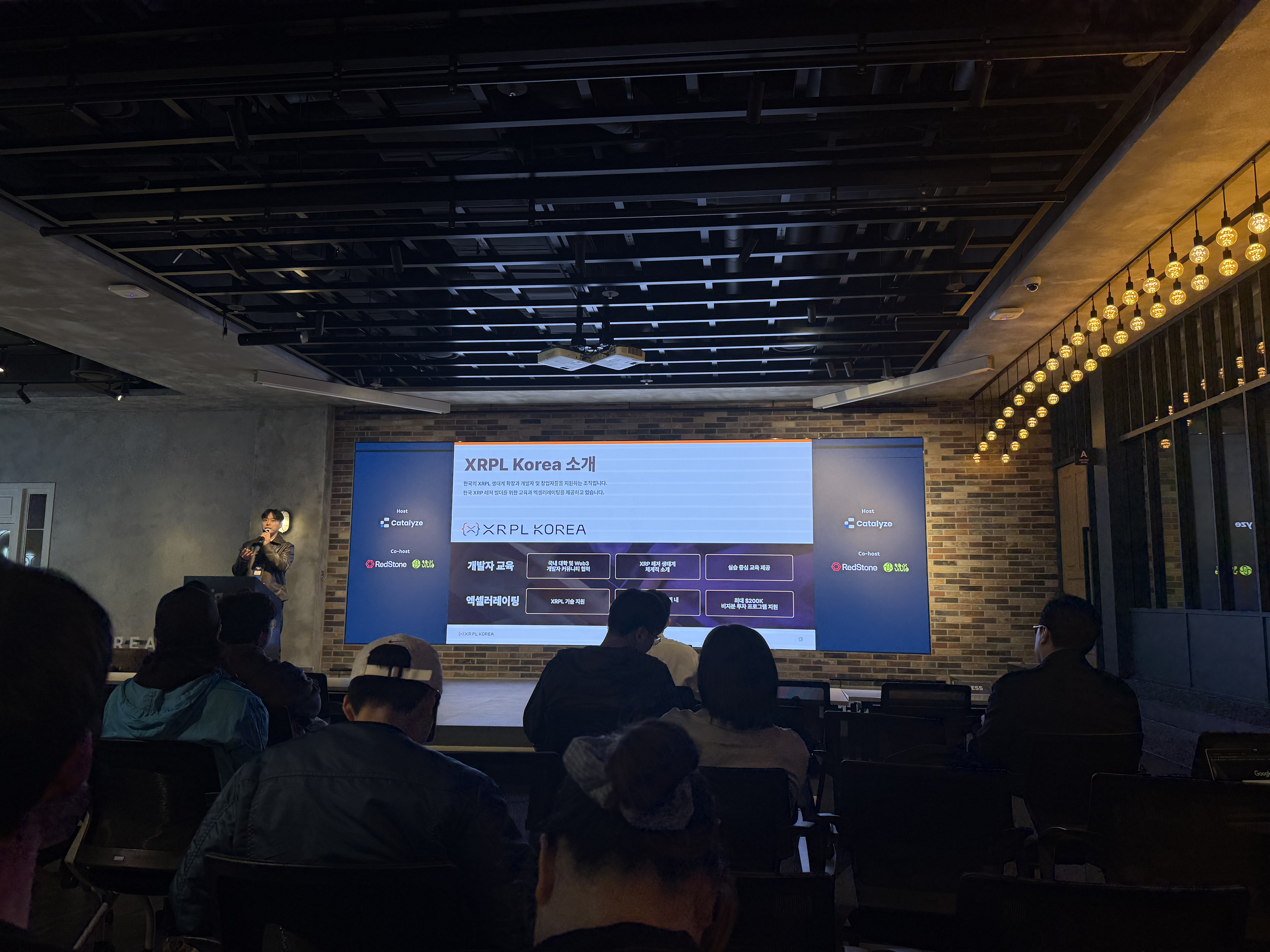
Second session underway.
Honestly, the content was dense. We followed maybe 60–70% of it, and there were moments where the domain-specific terminology just went over our heads. But a few things stuck.
The thread running through most of the talks was security. Building at the intersection of AI and blockchain isn’t just a technical challenge — it’s a trust challenge. Both systems require that participants can rely on the infrastructure behaving as expected, especially when real assets and automated decisions are involved.
The company that stood out most was Midnight — a blockchain platform focused on building a secure, privacy-preserving foundation for AI and Web3 applications. The core idea was that you can’t build serious AI-integrated financial infrastructure without a reliable, tamper-resistant base layer. Midnight was positioning itself as that base.
After: Beer and Debrief
After the conference, Hyunseok and I found a nearby spot and grabbed a beer.
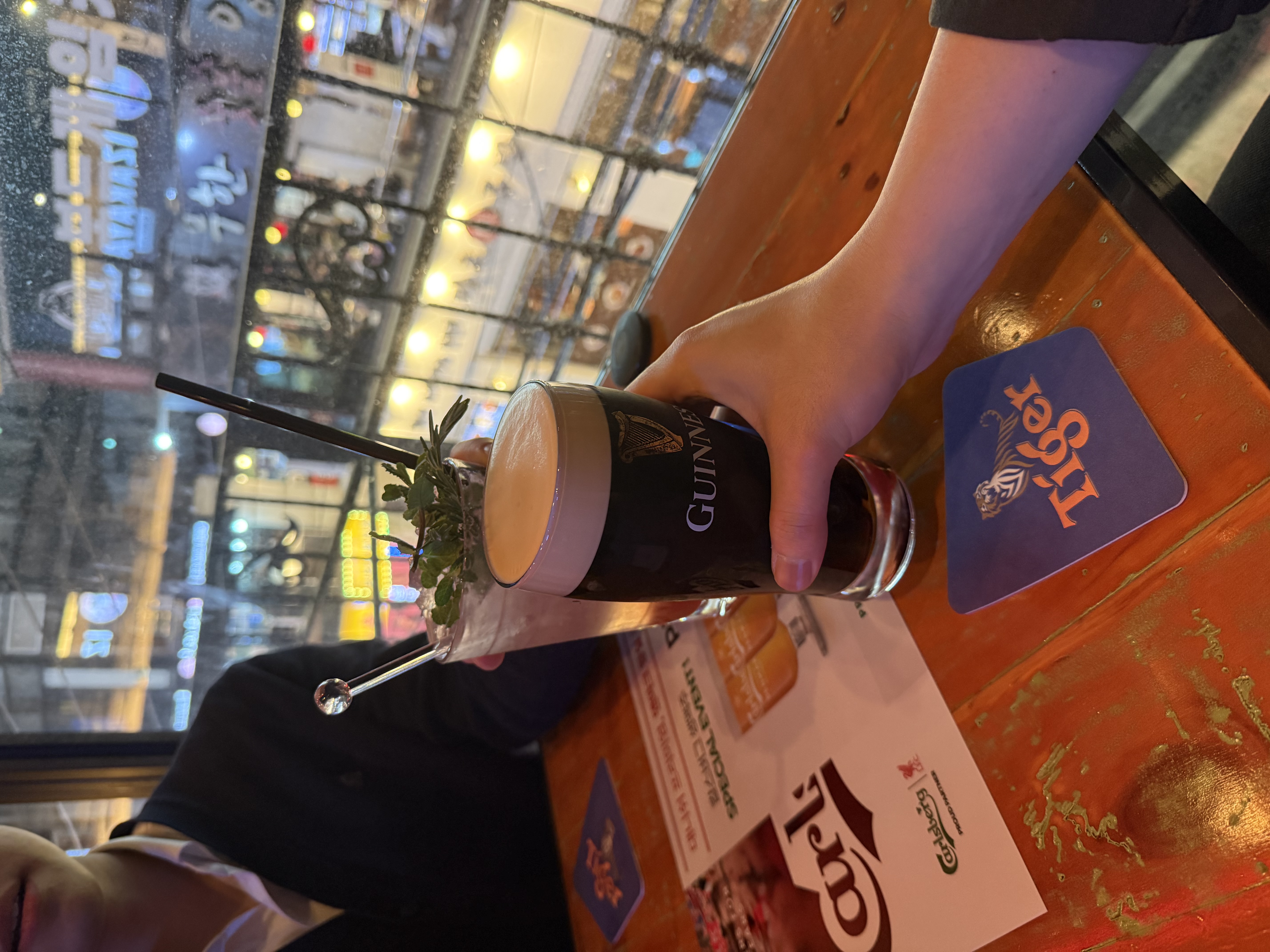
A beer with Hyunseok after the conference.
We talked through what we understood, what went over our heads, and what we’d want to look into more. We also caught up on our individual projects — it was a good chance to talk outside of class.
What I Took Away
I won’t pretend I came out of AI Infra-con as a blockchain expert. I didn’t. But I got a clearer picture of where the industry is heading — specifically, the idea that AI agents will need secure, verifiable infrastructure to operate in real-world financial contexts.
The pre-study was worth it. Without it, I probably would have understood even less. And attending with someone else made the experience better — having a person to compare notes with (and share a drink afterward) is underrated.
If another conference like this comes up, I’d go again.
Community
Comments
Comments appear immediately. Use report if something needs review.
No comments yet.